Awwwards
404media is now part of Awwwards. Find our studio profile and work there.
(Announcement)
W.
404media is now part of Awwwards. Find our studio profile and work there.
We launched the new HBE Healthcare website.
We launched the new Property Partners website.
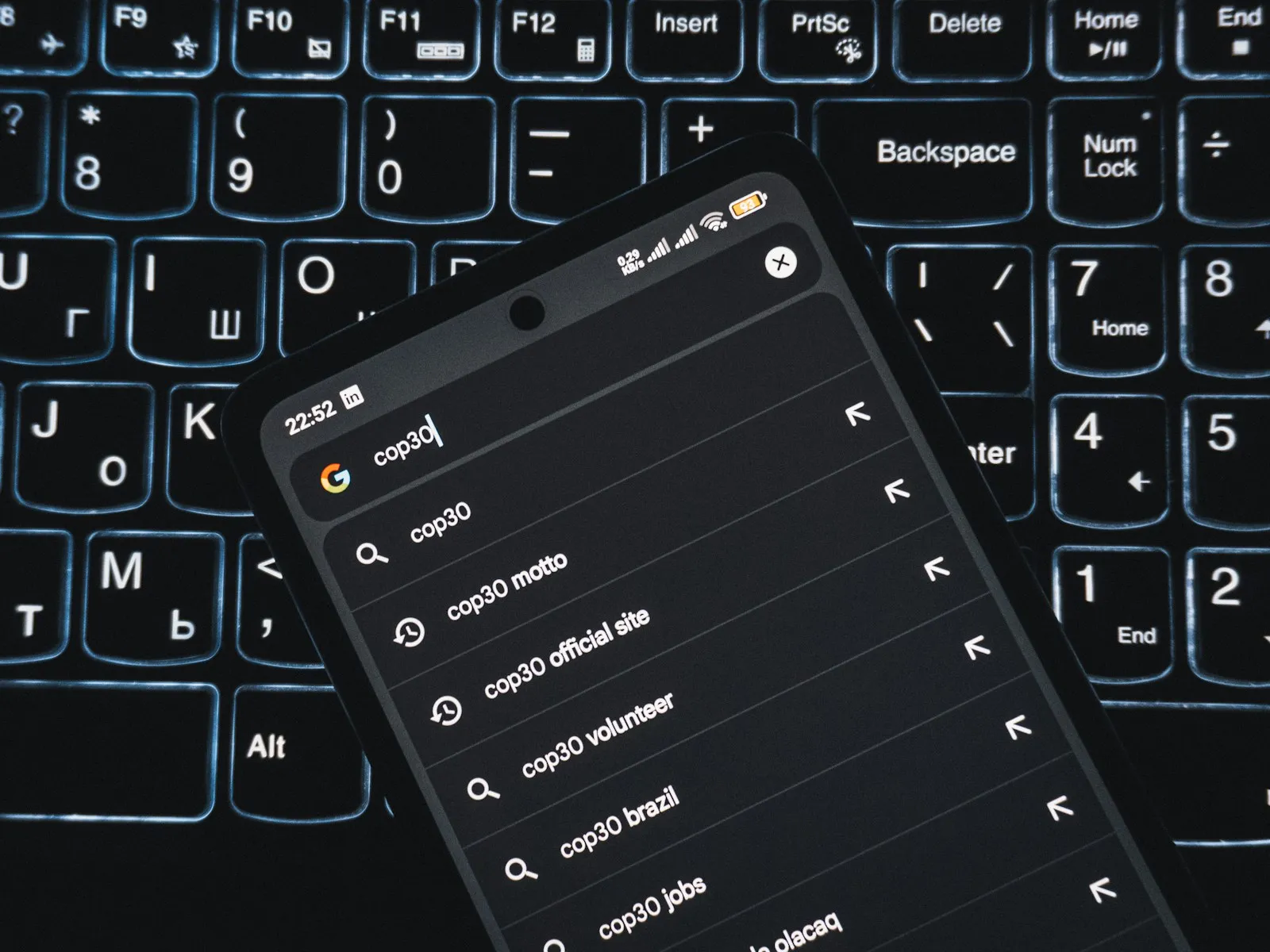
A field experiment with 1,100 Google users and an analysis of half a million Wikipedia articles measure what AI answers in search do to website traffic.
 Christoph SpeiserProject lead & sales
Short answer: two studies from 2026 show that Google’s AI answers cost websites clicks. In a field experiment, users clicked through to websites 8.8 percentage points more often once AI Overviews were hidden. Search only in AI Mode cut clicks by 18.8 percentage points. A second study measures about 5 % less search traffic for English Wikipedia.
Until now, most figures on this came from publishers’ own traffic reports or from observing search behaviour. Both new studies try to measure cause and effect. That makes them more useful than a single drop in Search Console.
Researchers at the University of Pennsylvania and Northeastern University recruited 1,100 adults in the US in March 2026. Participants installed a browser extension and kept using Google as usual for 10 days. They were randomly split into three groups: normal Google search, Google without AI Overviews, and Google with AI Mode only. The study was preregistered and published on arXiv in August 2026.
In normal search, 36 % of searches showed an AI Overview. AI Mode was used for only 0.6 % of searches before the experiment.
| Change | Effect on click-through rate to websites |
|---|---|
| AI Overviews hidden | +8.8 percentage points |
| AI Mode only | −18.8 percentage points |
In AI Mode, fewer users clicked through to news sites (−12.5 percentage points), Reddit (−21.2) and Wikipedia (−9.9). They spent more time per session inside Google, but searched less often per day. Trust in the information found on Google fell, and 11.2 percentage points more participants used Bing, DuckDuckGo or Yahoo.
One limit: the extension hid only about half of all AI Overviews, because Google changed its interface during the study. The researchers corrected for this statistically. The effect of a full removal is likely larger rather than smaller.
Mehrzad Khosravi and Hema Yoganarasimhan from the University of Washington used a natural comparison. Google made AI Overviews the default in the US in May 2024, in Europe only in 2025. They compared monthly search traffic to English Wikipedia articles with the same articles in German and French, from December 2023 to December 2024. That covers almost 500,000 article pairs.
Drop in search traffic to English Wikipedia from AI Overviews
Wikipedia is one of the sources AI Overviews cite most often. Even so, the citations did not make up for the lost visits.
Both studies are about informational searches: news, background, explanations. Searches like “tax adviser Vienna” or “tiler near me” are closer to a purchase and so far show AI answers less often. Still, the trend is clear: the more Google answers itself, the fewer people reach a website.
Both papers are preprints and not yet peer-reviewed. The field experiment only covers US users. The direction matches what Pew Research measured in 2025: with an AI summary, users clicked on a normal result in 8 % of searches, without one in 15 %.
Our GEO check shows whether ChatGPT, Perplexity and Google name your business, and which pages need work.
Yes, according to both studies. In the field experiment, hiding AI Overviews raised the click-through rate to websites by 8.8 percentage points. Wikipedia lost about 5 % of its search traffic.
In the field experiment, yes. Search only in AI Mode cut the click-through rate by 18.8 percentage points, more than twice the effect of AI Overviews.
The field experiment was run in the US. AI Overviews have shown in Austria since the end of March 2025 and work the same way. Exact figures for Austria are not available yet.
Both are preprints on arXiv and not yet peer-reviewed. The field experiment was preregistered and randomised, which makes it one of the strongest designs available on this question.
More lessons from our projects in Vienna.
SEO & GEO • • 8 min read
Christoph Speiser
SEO & GEO • • 9 min read
Christoph Speiser
SEO & GEO • • 10 min read
Christoph SpeiserTell us about your project. Christoph gets back to you personally.
Christoph Speiser, Project lead & sales