Awwwards
404media is now part of Awwwards. Find our studio profile and work there.
(Announcement)
W.
404media is now part of Awwwards. Find our studio profile and work there.
We launched the new HBE Healthcare website.
We launched the new Property Partners website.
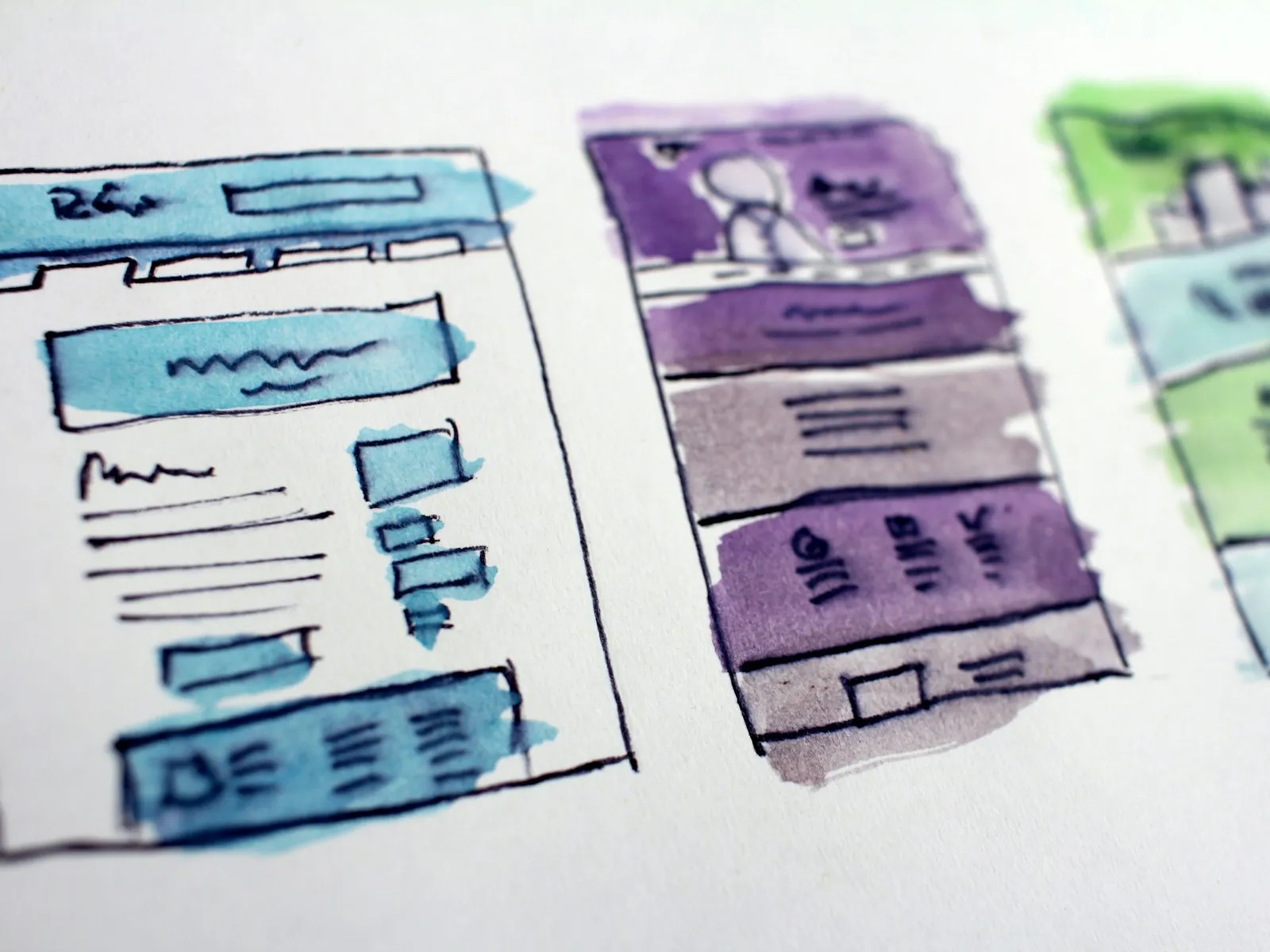
Users rated a better-looking system as easier to use, even after they had used it. What the Ben-Gurion University study found and why design is not decoration.
 Christoph SpeiserProject lead & sales
Short answer: people rate a better-looking system as easier to use. In a study at Ben-Gurion University published in 2000, this held even after participants had used the system. How beautiful the design was shaped their verdict on usability. How easy it actually was to use did not.
Noam Tractinsky, A. S. Katz and D. Ikar built a computer program that worked like a cash machine. They varied how attractive it looked and how easy it was to use. Participants rated beauty and usability before using it and again afterwards.
Before use, the two ratings were closely linked: whatever looked good also seemed easy to use. After use, this link remained. The analysis showed that the design affected how easy users found the system. Its actual usability did not change that verdict. The researchers compare this to social psychology, where attractive people are also judged more favourably on other traits.
The paper appeared in the journal Interacting with Computers and has been cited about 1,400 times. Designers know the result as the aesthetic-usability effect.
Design is not decoration you add once everything else works. It changes how visitors judge your whole offer: whether your site feels easy, whether your business seems careful, whether they trust you with an enquiry. For small businesses this matters especially, because the website is often the first contact.
How fast that judgement starts is shown by another classic: visitors form a first impression of a website’s look within 50 milliseconds.
The study tested a cash machine simulation, not a website, and it is from 2000. Later studies have found the effect again, but not always as strongly. It is therefore not proof that beauty beats function. It shows that people do not judge the two separately.
Send us your URL. We tell you where the design costs trust and what a redesign would change.
People rate a well-designed product as easier to use than a less attractive one, even if both work the same way. The best-known study on this is by Tractinsky, Katz and Ikar (2000).
The study does not measure sales or enquiries. It shows that design changes how easy and trustworthy a site seems. Whether visitors get in touch also depends on content and offer.
Both count, and visitors do not judge them separately. A beautiful site that does not work loses customers. A working site with a dated look seems harder to use than it is.
More lessons from our projects in Vienna.

Websites • • 6 min read
Christoph Speiser
Websites • • 5 min read
Christoph Speiser
Websites • • 9 min read
Christoph SpeiserTell us about your project. Christoph gets back to you personally.
Christoph Speiser, Project lead & sales